The Human Side of AI Performance

Turning AI from activity into real organisational performance

Trusted By

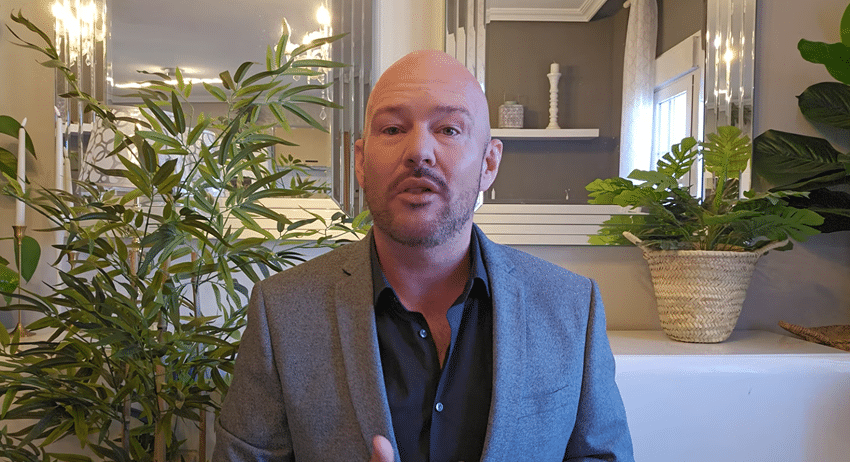
Richard Reid works on the human and organisational side of AI.

Not the tools. Not the engineering. Not the hype.

But the factors that actually determine whether AI works in practice:

  • Decision-making and judgement
  • Trust and over-reliance
  • Accountability and ownership
  • Team coordination and culture
  • Psychological safety and challenge
  • Cognitive load and performance under pressure

This is where most AI initiatives quietly stall, and where the real leverage sits.

My husband has been a member of the association for many years and recently we have needed a lot of help with new tenancy agreements, rent increases etc. We were put in touch with a great solicito (36)

What usually goes wrong (and why it isn’t a software issue)

When AI is introduced, the visible change is technical. The invisible change is behavioural, and that’s where problems emerge.

"Pilot Purgatory"

AI trials that never scale
→ No clear ownership, no standards, no success metrics

Some teams use it, others avoid it
→ Fear, overload, unclear expectations

AI used without challenge
→ Automation bias and time pressure

AI dismissed entirely
→ Loss of trust + perceived threat to expertise

Who owns the decision?
→ Responsibility becomes blurred

A Practical Framework: Tools × Teams × Thinking

To make AI work, organisations need alignment across three levels: tools, culture and leadership.

AI only creates value when it is embedded into how work actually happens. This means having clear decision rights and ownership, defined human-in-the-loop thresholds and consistent quality standards, supported by decision logs and structured challenge for high-stakes decisions. The goal is not more outputs, but better decisions.

At the same time, adoption depends on culture. High-performing teams build a shared language for uncertainty, establish norms for checking and challenging outputs, and create psychological safety alongside clear standards. They also align incentives to reward learning and quality, not just speed, recognising that culture is what gets repeated when no one is watching.

Finally, AI increases complexity, which can lead to cognitive overload, poor judgement and decision fatigue. Leaders need to strengthen their attention, clarity and awareness of bias, while improving how they question, calibrate trust and manage recovery. This allows them to make better decisions, not just faster ones.

file-13

How Richard Works With Organisations

This work avoids vague “AI transformation” language and instead focuses on measurable, meaningful progress: consistent adoption across real workflows, reduced rework and error rates, faster cycle times without compromising quality, clear ownership of decisions, and earlier, more effective risk escalation. 

AI Adoption Risk Scan (2–3 weeks)

Understand what’s really happening inside your organisation

  • Identify behavioural and workflow blockers
  • Diagnose adoption gaps
  • Highlight high-impact interventions
  • Define meaningful success metrics

Make decisions clearer, safer and defensible

  • Decision rights & accountability maps
  • Human-in-the-loop thresholds
  • Decision logging frameworks
  • Challenge and review routines

Turn intention into everyday behaviour

  • Redesign workflows around AI
  • Introduce practical team norms
  • Train leaders and teams
  • Track adoption, quality and outcomes

Strategic support through implementation and evolution

  • Regular leadership advisory
  • Feedback on risks and opportunities
  • Guidance on sequencing and communication

Why Richard Reid?

Richard Reid is a psychologist, author and high-performance coach who works with leaders and organisations to improve decision-making, communication and performance.

To keep expectations precise and build trust, Richard draws clear boundaries around his role.

Richard does:

  • Work on the people side of AI implementation and adoption
  • Design decision practices, accountability structures and governance routines
  • Help redesign ways of working and workflows around AI
  • Develop norms, culture and leadership behaviour that support responsible use
  • Provide coaching and training on decision‑making, trust, challenge and resilience

Richard does not:

  • Select, build or configure AI tools or models
  • Provide technical integration or engineering services
  • Sell or promote specific AI products
  • Offer generic “prompt libraries” as the primary solution

He works alongside internal technical teams and external vendors, focusing on what they cannot deliver alone: the psychological and organisational conditions that determine whether AI will actually improve performance.

Testimonials

Learn about the 7 Psychological Levers, or high performing leaders, and how you can improve yours.

Download the guide below.