Introduction: The Impact of Appearance on Perceptions of Leadership
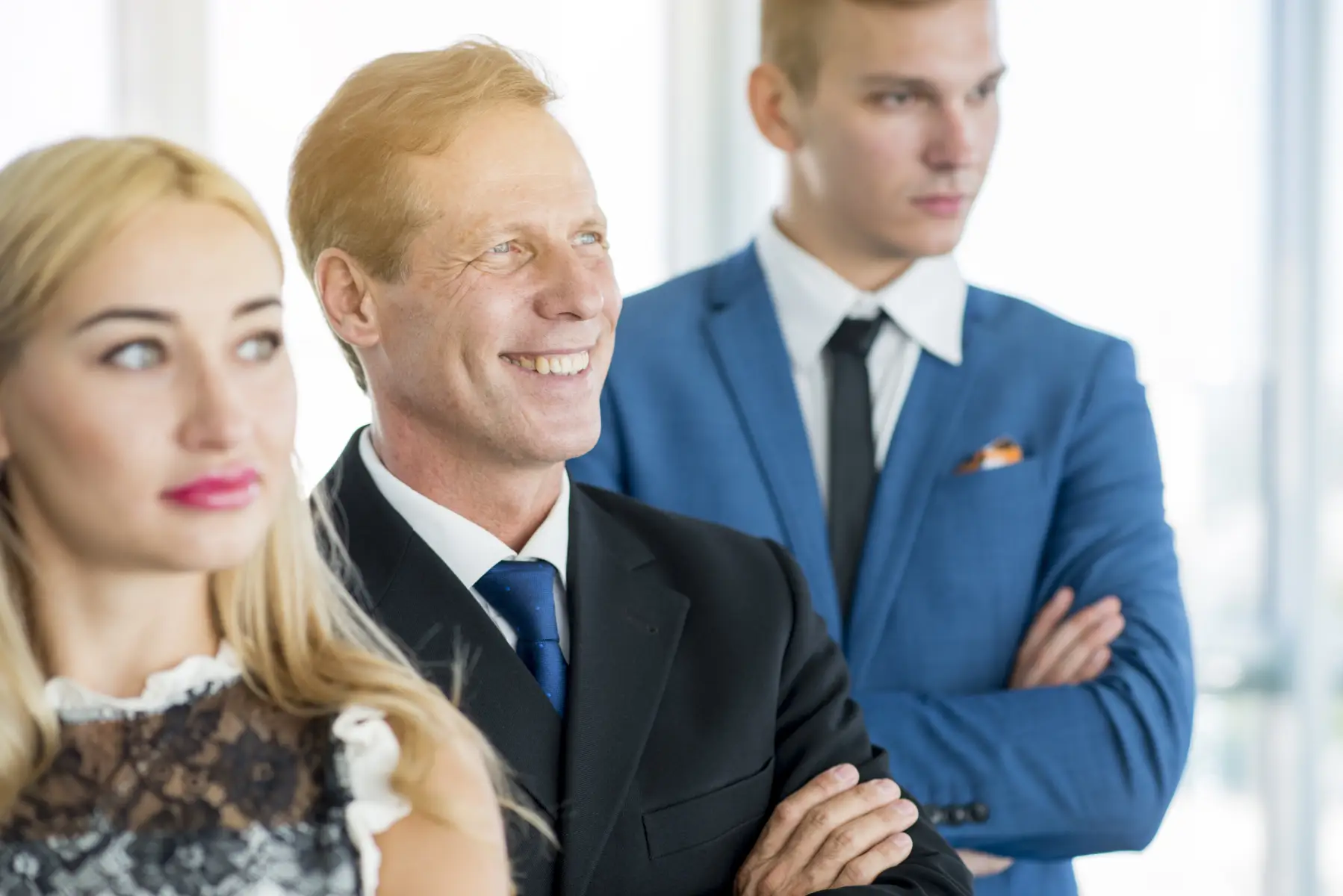
In the realm of leadership, appearance and executive presence play a crucial role in shaping how leaders are perceived by their teams, peers, and stakeholders. The adage “you never get a second chance to make a first impression” holds particularly true in professional settings, where attire, grooming, and overall presentation can significantly impact perceptions of competence and authority.
A leader’s appearance communicates a wealth of information about their professionalism, confidence, and commitment to their role. As such, understanding the nuances of professional appearance is essential for enhancing executive presence. This article explores the psychological aspects of appearance, strategies for choosing appropriate attire, the importance of grooming and body language, and coaching tips for improving professional appearance.
The Psychology Behind Appearance and First Impressions
1. The Influence of First Impressions
Research indicates that people often form judgments about others within the first few seconds of meeting—a phenomenon supported by studies from Todorov et al. (2005), which highlighted that first impressions are largely based on appearance. This immediate judgment can significantly affect how individuals are perceived in leadership roles, influencing decisions related to trust, competence, and likability.
2. The Halo Effect
The halo effect describes a cognitive bias whereby a person’s positive attributes, such as professionalism and attractiveness, can lead others to view them more favourably overall. Leaders who present themselves well are often perceived as more capable and credible. This underscores the importance of maintaining a polished appearance in fostering executive presence.
3. Consistency and Authenticity
While appearance does impact first impressions, it is essential for leaders to ensure that their outward presentation is consistent with their personal brand and leadership style. Authenticity in appearance fosters trust and credibility, while inconsistencies can lead to confusion and skepticism.
Actionable Tip: Reflect on how your appearance aligns with your leadership style. Consider whether your attire and grooming effectively communicate your personal brand and values.
Choosing Appropriate Attire for Various Professional Contexts
1. Understanding Dress Codes
Leaders must navigate various dress codes depending on their industry and organisational culture. Familiarising oneself with common dress codes—business formal, business casual, and casual—allows leaders to select appropriate attire for different settings.
- Business Formal: Often required in corporate environments or formal events, this attire typically includes tailored suits, dress shirts, and formal shoes.
- Business Casual: This dress code allows for more flexibility, incorporating smart trousers, blouses, or blazers without requiring a full suit.
- Casual: While still aiming for a polished look, casual attire may include smart jeans and collared shirts, depending on the context.
2. Dressing for Success
When choosing attire, leaders should consider the message they want to convey. Clothing should reflect not only professionalism but also confidence.
- Fit and Tailoring: Well-fitted clothing conveys attention to detail and professionalism. Consider tailoring key pieces to enhance your silhouette.
- Color Psychology: Colours can evoke specific feelings and perceptions. For example, navy blue is often associated with trust and authority, while bright colours can project energy and creativity.
3. Cultural and Contextual Awareness
Leaders should be cognizant of cultural and regional differences in professional attire. Understanding these nuances ensures that leaders dress appropriately for their audience and environment, fostering respect and rapport.
Actionable Tip: Conduct informal research into the dressing practices of respected leaders in your industry. Identify styles and choices that resonate with you and align with your leadership aspirations.
Grooming and Body Language: Consistency Matters
1. The Importance of Grooming
Grooming plays a pivotal role in maintaining executive presence. Leaders should pay attention to personal hygiene, hairstyle, and grooming standards, ensuring that their appearance reflects professionalism and self-respect.
- Personal Hygiene: Regular grooming practices, such as haircuts and appropriate skincare, contribute to an overall polished look.
- Attention to Details: Small details, such as clean shoes, pressed clothing, and well-groomed facial hair, can significantly impact perceptions of professionalism.
2. Body Language and Posture
The way a leader carries themselves speaks volumes about their confidence and authority. Positive body language, such as maintaining good posture, making eye contact, and using open gestures, enhances executive presence.
- Posture: Stand tall with shoulders back to project confidence. Avoid crossed arms, which can signal defensiveness or disinterest.
- Eye Contact: Maintaining appropriate eye contact while speaking or during conversations shows engagement and sincerity.
Actionable Tip: Record yourself during practice presentations to assess your body language and grooming. Identify areas for improvement and adjust accordingly.
Real-World Examples of Strong Appearances in Leadership
1. Indra Nooyi
Indra Nooyi, former CEO of PepsiCo, is known for her commanding presence and professionalism. Her confident attire, coupled with a strong presence and articulate communication style, has earned her respect as a leader. Nooyi exemplifies how effective personal branding through appearance can enhance executive presence.
2. Tim Cook
Tim Cook, CEO of Apple, typically projects a polished, understated professionalism that aligns with the company culture and values. His choice of classic, well-fitted attire reinforces his authority and embodies Apple’s commitment to excellence.
Actionable Tip: Examine the public appearances of leaders you admire. Pay attention to their clothing choices, grooming habits, and overall presence, and consider how these elements contribute to their executive presence.
Coaching Tips for Enhancing Professional Appearance
1. Personal Branding Workshops
Engaging in workshops focused on personal branding and appearance can provide valuable insights and practical strategies for improving executive presence. Many organisations offer training that includes style assessment and professional image consultancy.
2. Individual Assessments with a Stylist
Working with a professional stylist can provide personalised advice on attire choices that align with your body type, personal style, and industry standards. A stylist can help leaders develop a capsule wardrobe that maximizes versatility and professionalism.
3. Continuous Feedback
Incorporating regular feedback from peers, mentors, or coaches regarding your appearance can help leaders identify areas for improvement and ensure that their presentation remains aligned with their goals.
Actionable Tip: Schedule a feedback session with a trusted colleague or mentor to discuss your professional appearance. Use their insights to create an action plan for enhancing your executive presence.
Conclusion: The Importance of Appearance in Executive Presence
In conclusion, appearance plays a significant role in shaping perceptions of leadership and enhancing executive presence. By understanding the psychological impact of first impressions, choosing appropriate attire, maintaining grooming standards, and developing positive body language, leaders can project confidence and professionalism.
Investing time and resources into developing a polished appearance will not only amplify executive presence but also improve overall leadership effectiveness. In an era where first impressions matter more than ever, leaders must prioritise their appearance as a crucial aspect of their personal and professional brand.
References:
- Todorov, A., Mandisodza, A., Goren, A., & Hall, C. (2005). Inferences of Competence from Faces Predict Election Outcomes. Science, 308(5728), 1623-1626.